





Mistrzostwa Polski Szkół Średnich w Programowaniu Zespołowym 2025
Forum
- Subforum
- System Solve - Notes
The Complete Guide to Tiki Mugs: History, Styles, Collecting & Care
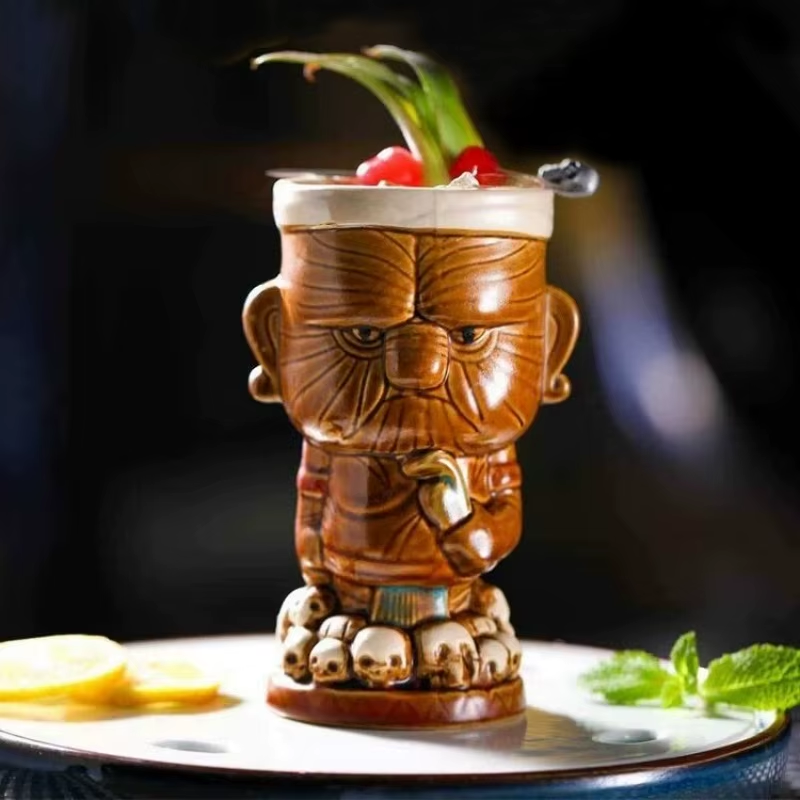
Tiki mugs are more than just fun drinkware—they’re a bridge to mid-century pop culture, Polynesian-inspired art, and the golden age of tropical cocktails. Whether you’re building a home tiki bar, starting a collection, or just curious, this guide covers everything you need to know about Tiki Mugs, from their origins to how to care for and value them.
What Is a Tiki Mug?
A tiki mug is a decorative drink vessel, usually made from ceramic, designed for serving tropical and rum-based cocktails. They often feature:
- Stylized faces or full-body “tiki” figures
- Polynesian-inspired patterns and symbols
- Bright glazes, carved textures, and sculptural details
Although called “tiki,” most mugs are Western pop-culture interpretations inspired by Polynesian and Oceanic imagery, not authentic artifacts.
A Brief History of Tiki Mugs
Origins in the Tiki Bar Boom (1930s–1950s)
- 1930s: The tiki bar concept became popular in the United States with pioneers like Don the Beachcomber and Trader Vic’s.
- Early tiki drinks were typically served in more conventional glassware, bowls, or hollowed-out fruits.
- Late 1940s–1950s: Custom ceramic tiki mugs began appearing in bars, both as branding and as a way to enhance the theatrical cocktail experience.
Mid-Century Peak (1950s–1970s)
- Tiki culture exploded in post-war America: themed restaurants, backyard luaus, and exotic cocktails became mainstream.
- Bars used branded mugs to promote signature drinks like the Mai Tai, Zombie, and Scorpion.
- Many mugs were made by now-collectible manufacturers such as Otagiri (OMC), Orchids of Hawaii, and Daga.
Decline and Revival (1980s–Today)
- The late ’70s and ’80s saw tiki culture fade as tastes moved toward disco, wine, and lighter drinks.
- Many original tiki bars closed, and mugs were discarded or packed away.
- 1990s–2000s: A major revival began. Craft cocktail culture, nostalgia, and the internet fueled new interest in tiki.
- Today, tiki mugs are again widely produced, with artists, designers, and bars creating limited-edition and highly collectible pieces.
Common Types and Styles of Vintage Tiki
Classic Tiki Face Mugs
These are the iconic mugs most people picture:
- Stylized carved faces, often inspired by traditional Polynesian wood carvings
- Cylindrical or totem-like shapes
- Earthy browns, greens, and blues, sometimes with bright accent glazes
Character and Figure Mugs
Full-bodied figures or characters can include:
- Moai-style heads (Easter Island inspired)
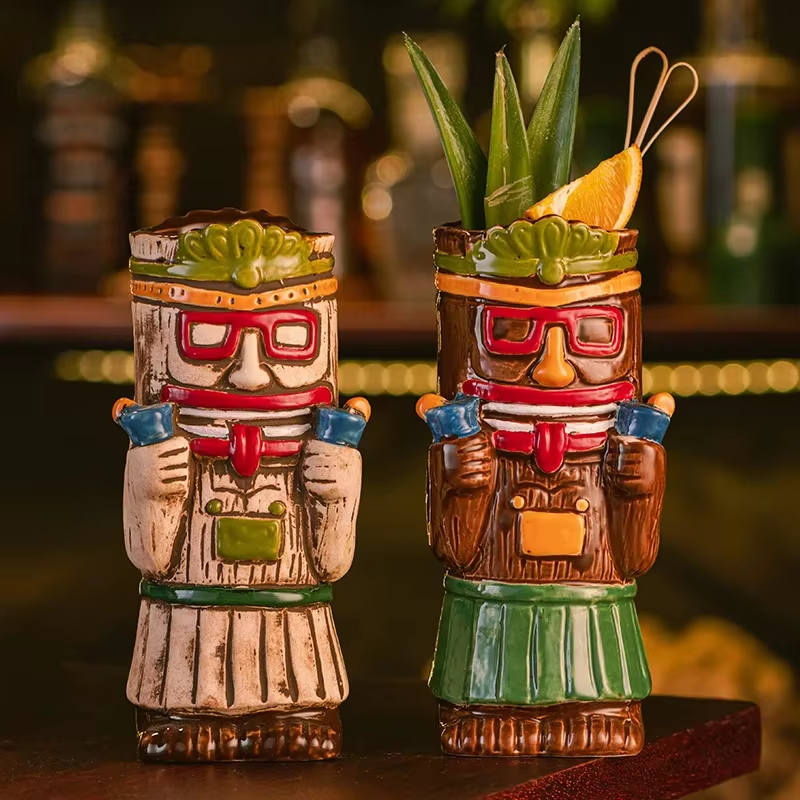
- Hula dancers, warriors, and adventurers
- Nautical themes like pirates or sea creatures
- Branded characters linked to specific bars or rum brands
Modern, Artist-Designed Mugs
Contemporary artists experiment with:
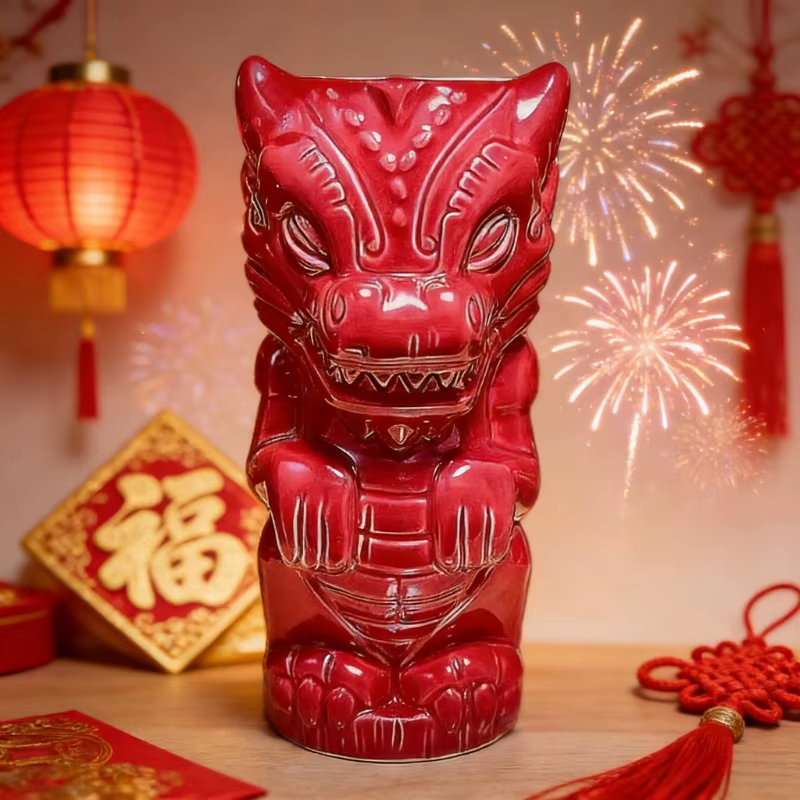
- Pop-culture mashups (e.g., tiki meets horror, sci-fi, or cartoons)
- Elaborate sculptural designs with multiple levels and textures
- Unique glazes, color fades, and hand-painted details
Bowl and Shared-Drink Vessels
Not technically “mugs,” but important in tiki:
- Scorpion bowls and volcano bowls for communal cocktails
- Large, wide vessels often featuring tikis, flames, or volcano motifs
- Designed for multiple straws and dramatic garnishes
Materials and Construction
Ceramic
The most common material:
- Durable and holds temperature well
- Allows for detailed sculpting and glazing
- Usually hand-cast from molds, then glazed and fired
Glass, Metal, and Other Materials
While “tiki mug” usually implies ceramic, you’ll also see:
- Glass tiki glasses with molded tiki faces
- Metal mugs (often stainless steel) for durability in high-volume bars
- Resin or plastic novelty cups for poolside or outdoor use
Popular Tiki Mug Makers and Brands
Collectors often look for specific names stamped or labeled on the bottom of vintage tiki mugs, including:
- Otagiri (OMC) – Japanese-made ceramics heavily used by U.S. tiki bars
- Orchids of Hawaii – Produced many classic designs for restaurants
- Daga – Known for Hawaiian souvenir mugs
- Tiki Farm – One of the largest contemporary producers
- Munktiki, Gecko, Eekum Bookum, and other small studios – Focus on limited, artist-driven designs
Recognizing these names can help you identify and value a mug.
How to Identify Vintage vs. Modern Tiki Glass Mug
Markings and Stamps
Look at the base:
- Manufacturer’s name (OMC, Orchids of Hawaii, Daga, etc.)
- Restaurant or bar name (Trader Vic’s, Don the Beachcomber, Bali Hai, etc.)
- Country of origin, often “Japan,” “Hawaii,” “USA,” or “China”
Style and Wear
- Vintage mugs often show light crazing (fine cracks in the glaze), minor scuffs, or fading.
- Designs can be simpler, with muted colors and classic tiki faces.
- Modern mugs may have high-gloss finishes, experimental colors, or pop-culture crossovers.
Research and Reference
- Use online tiki databases, collector forums, and social media groups.
- Compare your mug’s shape, glaze, and markings to cataloged examples.
- Tiki reference books and auction listings are also useful identification tools.
Starting a Tiki Mug Collection
Define Your Focus
Before you buy everything in sight, decide what interests you most:
- Vintage restaurant mugs
- Specific bars or regions (Hawaii, California, Florida, etc.)
- Modern artist editions and limited runs
- Theme-based (horror tiki, nautical, tropical animals, etc.)
 A clear focus helps your collection feel intentional and easier to manage.
Where to Find Tiki Mugs
- Thrift stores and estate sales – Occasionally yield vintage gems at low prices.
- Online marketplaces – eBay, Etsy, and auction sites are rich sources.
- Tiki bars and events – Many bars sell exclusive branded mugs; tiki conventions often feature vendors and artists.
- Direct from artists and studios – For modern limited-edition pieces.
Evaluating Price and Value
Price is influenced by:
- Rarity and production numbers
- Age and condition (chips, cracks, and stains reduce value)
- Maker and artist reputation
- Demand among collectors
If you’re unsure, search completed sales online rather than active listings to get realistic pricing examples.
Caring for and Displaying Tiki Mugs
Cleaning and Maintenance
- Hand wash whenever possible, especially for older or hand-painted mugs.
- Avoid harsh abrasives or metal scrubbers that can scratch glazes.
- Check whether your mug is labeled dishwasher-safe before machine washing.
- Don’t expose vintage mugs to sudden temperature changes (e.g., boiling water then ice).
Safe Storage
- Display on sturdy shelves with a guard lip to prevent falls.
- Use non-slip shelf liners or stands, especially in earthquake-prone areas.
- Keep out of direct sunlight to prevent fading of glazes or paint.
Display Ideas
- Backlit shelving to highlight colors and textures
- Group by color, theme, or era for visual impact
- Mix mugs with other tiki decor: bamboo, carved masks, rum bottles, and tropical plants
Tiki Mugs in Modern Cocktail Culture
Signature Tiki Drinks
Classic tiki cocktails are often served in themed mugs to heighten the experience. Common pairings include:
- Mai Tai – Often in a shorter tiki or double old-fashioned style mug
- Zombie – Frequently in tall, cylindrical tiki mugs
- Painkiller, Navy Grog, Scorpion, and Blue Hawaii – Served in various character mugs, skulls, or bowls
There is no strict rule; the fun of tiki is creativity and theatrical presentation.
Bar Branding and Limited Editions
Many craft cocktail bars commission custom Tiki Hawaii Mug
- Limited runs encourage repeat visits and collecting.
- Seasonal designs (Halloween tiki, Christmas tiki) are common.
- Collaborations with artists add artistic and monetary value.
Cultural Considerations and Respectful Tiki Enjoyment
Modern tiki culture is rooted in fantasy escapism, but it draws imagery from real Pacific Islander traditions. When collecting or using tiki mugs:
- Recognize that mugs are Western pop-culture creations, not authentic religious or cultural objects.
- Support bars and artists who approach tiki with awareness and respect.
- Learn about actual Polynesian and Pacific cultures beyond their pop-culture representations.
Tips for Buying Tiki Mugs Online
- Request multiple photos, including the base and interior.
- Ask about chips, cracks, repairs, or crazing.
- Check seller feedback and return policies.
- Factor in shipping costs and packaging quality—ceramic mugs need good cushioning.
- Compare prices across several recent sales before committing.
Are Tiki Mugs a Good Investment?
Tiki mugs can increase in value, especially:
- Limited editions from well-known artists or bars
- Rare vintage pieces from iconic mid-century restaurants
However:
- The market can be niche and trend-driven.
- Condition and authenticity matter greatly.
Collect primarily for enjoyment. Consider any increase in value a bonus rather than a guarantee.
How to Use Tiki Mugs at Home
You don’t need a full tiki bar to put your mugs to work:
- Serve classic rum cocktails or mocktails with lots of crushed ice and fresh garnish.
- Use colorful straws, umbrellas, citrus wheels, mint sprigs, and edible flowers.
- Pair your mugs with tropical playlists and mood lighting for an at-home island escape.
Conclusion
Tiki mugs combine functional drinkware with sculptural art, nostalgia, and the spirit of escapism. From their mid-century bar origins to today’s thriving collector community, they offer endless possibilities for display, collecting, and cocktail creativity.
Whether you’re hunting for rare vintage pieces, supporting modern artists, or just serving a weekend Mai Tai in something more exciting than a regular glass, tiki mugs add personality and story to every sip.About Hawaiiantikimugs